When trust is not real
There is somehing deeply unsettling about watching a trusted face say something they never said.
There is something deeply unsettling about watching a trusted face say something they never said. The voice sounds right. The eyes look right. The setting with their familiar background or a glowing logo looks entirely right. And yet it is a lie, assembled frame by frame by artificial intelligence. This is the world of deep fakes, and it is no longer a distant threat. It is here in things you see and hear.
A Familiar Face, A Fabricated Message
In early January 2024, while scrolling through Instagram, I paused at what I thought was a Virgin Media News broadcast. The anchor on screen looked and sounded like Colette Fitzpatrick, one of Ireland's most recognised television journalists. But it wasn't Colette. And alongside Fake Colette was an AI-generated voice mimicking Taoiseach Leo Varadkar. The fabricated clip promoted a fraudulent investment scheme, falsely claiming it was endorsed by the Governor of the Central Bank of Ireland.
Fitzpatrick responded swiftly and clearly: "This has nothing to do with Virgin Media News or myself. It is a complete fake." She went further, noting that the incident underscored why traditional, verified media matters more than ever — and why sourcing news from unverified online outlets carries real risk. Her words were a warning shot for every media consumer in Ireland.
The incident was not an isolated curiosity. It offered a glimpse into a rapidly escalating phenomenon in which artificial intelligence is weaponised to exploit public trust in known faces and reputable institutions. And it has become more prevalent through the past two years.
What Are Deep Fakes, and Why Do They Matter?
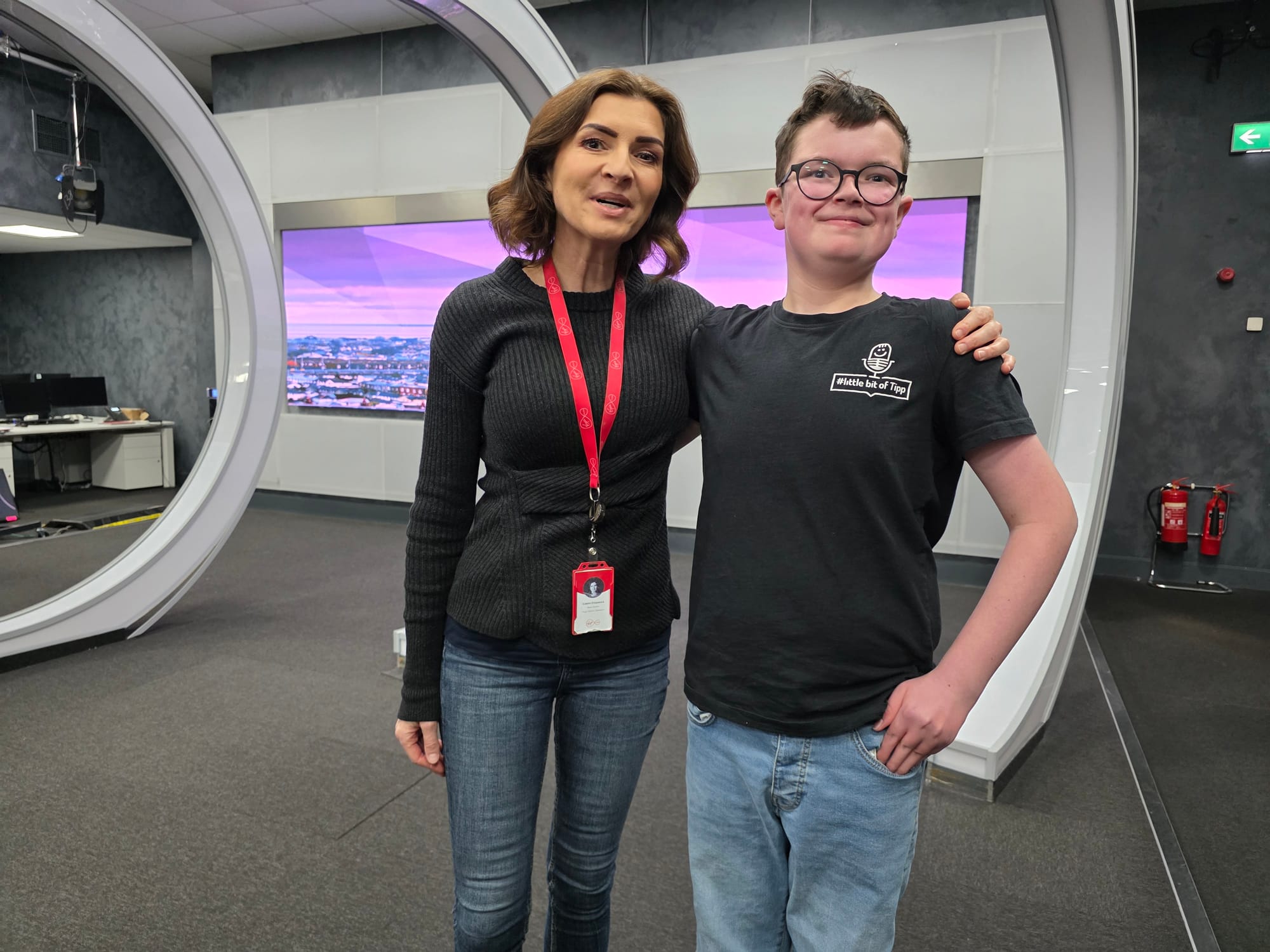
I took my 14 year old son Dylan to Studio 1 of Virgin Media in Ballymount Estate in Ireland during his Easter Break. On the way to Dublin, Dylan told me that he knew how AI can create videos, audio clips, and images. He has seen Transition Year students doing this during the week-long Empower Programme run by the Technological University of the Shannon. The deep fake technology, rooted in machine learning techniques called generative adversarial networks (GANs), has become alarmingly accessible on phones, tablets, and workstations. In the early 2000s, I needed a high powered IBM work station, sophisticated studio equipment, and specialist skills can now be produced with consumer-grade software and a few hours of processing time.
The implications go far beyond celebrity mischief or political satire. Deep fakes are being used to run financial scams, spread disinformation during elections, harass individuals. I am trying to block specific accounts on YouTube and Instagram because they're repurposing content from respected journalists and occasionally changing the focus of the original reports. I'm particularly alert to items about women in public life because it is not hard to see them depicted in compromising poses while saying suggestive phrases. As the Coalition for Women in Journalism has documented, female journalists are disproportionately targeted, making the Fitzpatrick incident in Virgin Media emblematic of a broader and troubling pattern.

Media Literacy at the Front Line
Media Literacy Ireland has been a consistent voice in equipping Irish audiences with the critical tools needed to navigate this landscape. Their Be Media Smart campaign — anchored by the memorable Stop / Think / Check framework — encourages audiences to pause before sharing content, interrogate its origins, and verify claims through trusted sources before accepting them as fact.
The campaign operates across social platforms, community education, and broadcaster partnerships. Its message is straightforward but vital. In an era of AI-generated content, scepticism is not cynicism. Questioning is a civic skill.
Before we stepped into Studio 1, we respected the passion and the forthrightness of Virgin Media News. Through their Truth Matters initiative, the broadcaster aired a sustained series of media literacy segments across flagship programmes including Ireland AM, News at 5.30, News at 7, and The Tonight Show. Each 90-second to three-minute segment addressed a distinct category of digital deception, ranging from deepfake videos and manipulated images to impersonation scams, viral hoaxes, and algorithmic amplification of false content. The series also produced original content for TikTok and Instagram, bringing the message directly onto the very platforms where disinformation most readily travels.
The Human Dimension: Why Empathy Matters
Technology and verification tools are essential, but they are not sufficient on their own. Combating deep fakes also requires us to think carefully about the human values that synthetic media corrodes.
Brigit Kolen, a lecturer in communication and copywriting at Fontys Academy for Creative Industries, has written compellingly about the conditions that make online communication trustworthy. In her work, Kolen argues that meaningful communication — especially across digital distance — depends on transparency, honesty, and the cultivation of empathy. Her book Impact op afstand (Impact from a Distance) explores how authentic human connection can and must be maintained in an era defined by screens and mediated interaction.
Kolen's framing is a timely reminder. When we see a deep fake, the violation is not merely informational — it is relational. It exploits the empathy and trust we extend to familiar faces. Rebuilding that trust requires not only better detection tools but a deeper commitment to the human qualities of honesty and transparency that synthetic media deliberately simulates and corrupts.
What You Can Do
Awareness is the beginning, not the end. Here are practical steps every media consumer should take:
- Pause before sharing. Ask whether the source is verified and whether you would stake your reputation on the claim.
- Use Be Media Smart resources to sharpen your ability to spot manipulated content.
- Look for corroboration. Genuine news stories from credible outlets are independently reported. A video circulating only on social media, featuring a "shocking" claim, should trigger immediate scepticism.
- Know the tell-tale signs. Unnatural blinking, skin texture that seems too smooth, audio that doesn't quite sync, and lighting that looks slightly "off" are common markers of AI-generated video.
- Follow trusted broadcasters. Initiatives like Virgin Media News's Truth Matters provide ongoing, accessible media literacy education.
The rise of deep fakes is, at its core, a crisis of authenticity. It is an attack on the social trust that makes communication possible. Colette Fitzpatrick's experience is a wake-up call. Her troubling experience resonates not only in Ireland, but for anyone who consumes information online. The antidote is not despair but discernment, empathy, and a commitment to the truth that no algorithm can fully replicate.
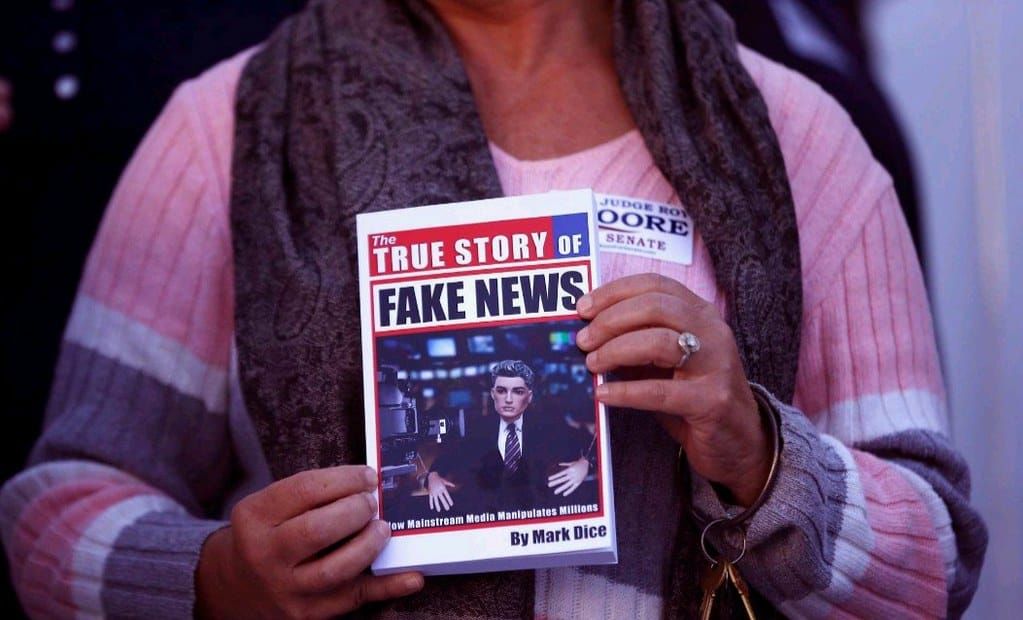
This post draws on reporting by the Coalition for Women in Journalism, resources from Media Literacy Ireland and Be Media Smart, and the academic work of Brigit Kolen at Fontys University of Applied Sciences. The cover image is from Mark Dice's book.